
Disclaimer: This post contains affiliate links. If you purchase through these links, I may earn a small commission at no extra cost to you. Thank you so much for supporting my work.
Lievito Madre (also known as pasta madre) is a traditional Italian stiff sourdough starter. It is mild, gently sweet, and far less acidic than liquid sourdough starters, making it ideal for enriched doughs like brioche, soft sandwich loaves, rolls, and holiday breads.
One of the most beginner-friendly ways to start Lievito Madre is by first making fruit yeast water, which naturally captures wild yeasts and gives your starter a strong, gentle beginning.
This guide walks you through the full process step-by-step: choosing fruit, making fruit water, turning it into Lievito Madre, caring for your starter, and rescuing it if it’s neglected.
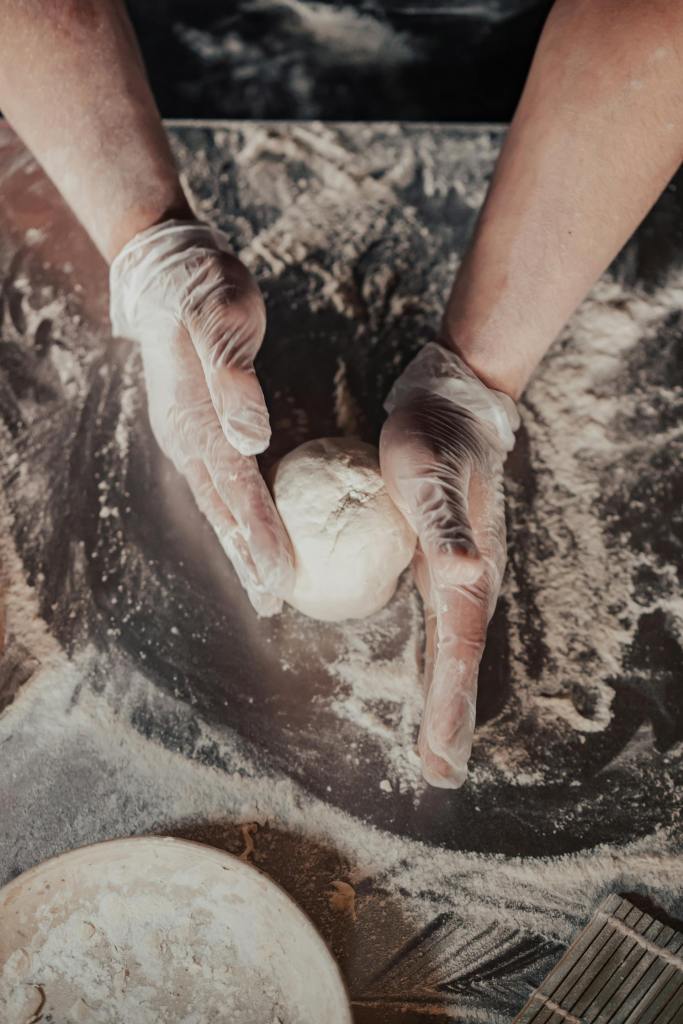
Best Fruits to Use (Choose One)
Always choose organic fruit when possible, or wash well. The natural yeasts live on the skins.
Recommended fruits:
Raisins (most reliable and traditional)
Apple (skin on, chopped)
Grapes (skin on, lightly crushed)
Dates (pitted; very active due to high sugar)
Figs (fresh or dried, strong fermenters)
Note: Dried fruits often ferment faster because sugars are concentrated. Avoid fruit treated with oils or preservatives.
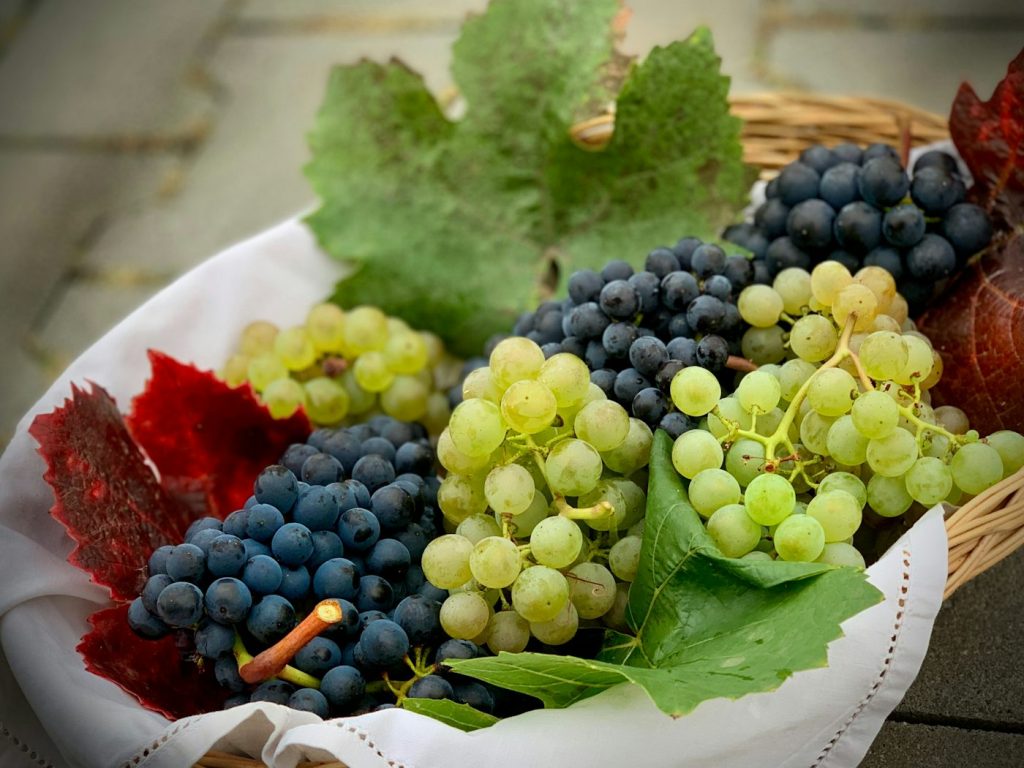
Step 1: Making the Initial Fruit Water (Yeast Water)
Ingredients
500g non-chlorinated water (filtered or boiled and cooled)
30–60g fruit(example: 40g raisins or 1 small chopped apple)
5–10g honey or sugar (optional but helpful)
Instructions
Place water and fruit into a clean glass jar (1-quart or 1-liter works well).
Add honey or sugar if using.
Stir or shake gently.
Cover loosely so gases can escape (lid set on top or lightly tightened).
Leave at room temperature (70–78°F / 21–26°C).
How Long to Leave It
Fermentation usually takes 2–5 days, depending on temperature and fruit choice.
Daily Care
Shake the jar once or twice daily.
Make sure fruit stays submerged to prevent mold.
How to Know When Fruit Water Is Ready
Your fruit water is ready when it shows active fermentation, not just sweetness.
Signs of readiness:
Visible bubbles when shaken
A soft fizz when opening the jar
A fruity, wine-like, or lightly yeasty smell
Slight cloudiness
Fruit may float (normal)
Quick test:
Pour a tablespoon into a glass. If tiny bubbles cling to the sides, it’s active.
If it smells rotten, sulfurous, or foul, discard and restart.
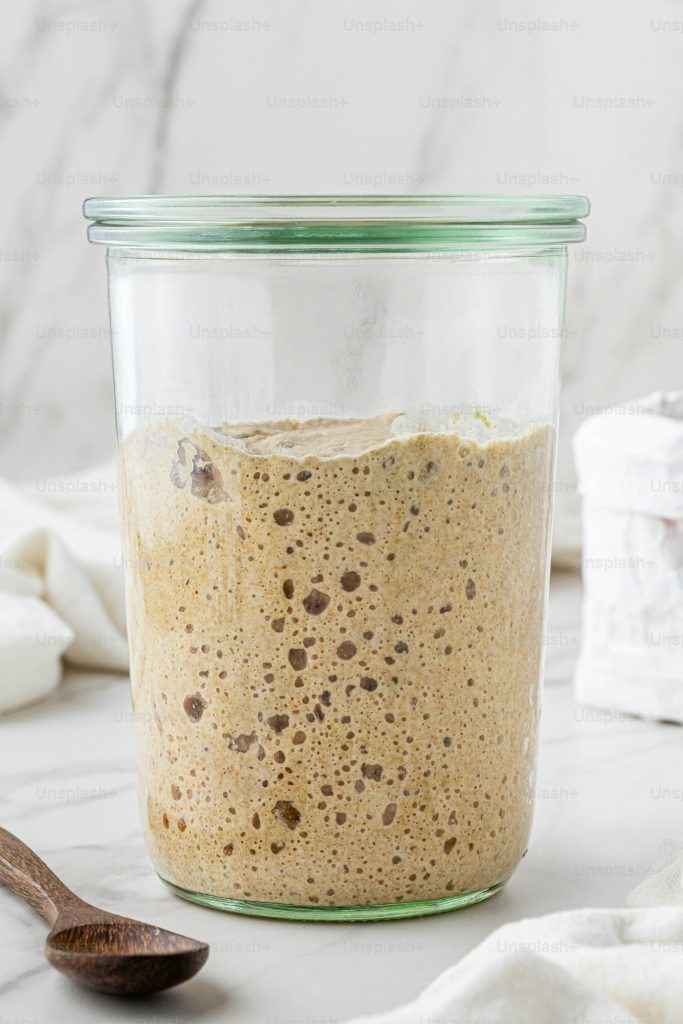
Step 2: Turning Fruit Water into Lievito Madre
Lievito Madre is maintained at about 50% hydration, meaning it forms a stiff dough.
First Build Ingredients
100g unbleached bread flour (or strong all-purpose)
50g strained fruit water
5g honey (optional)
Method
Mix flour and fruit water until a stiff dough forms.
Knead for 2–3 minutes until smooth and cohesive.
Shape into a tight ball.
Place in a clean container and mark the level.
Cover loosely and ferment at room temperature.
Fermentation Time
Allow 12–24 hours. Early activity may be subtle.
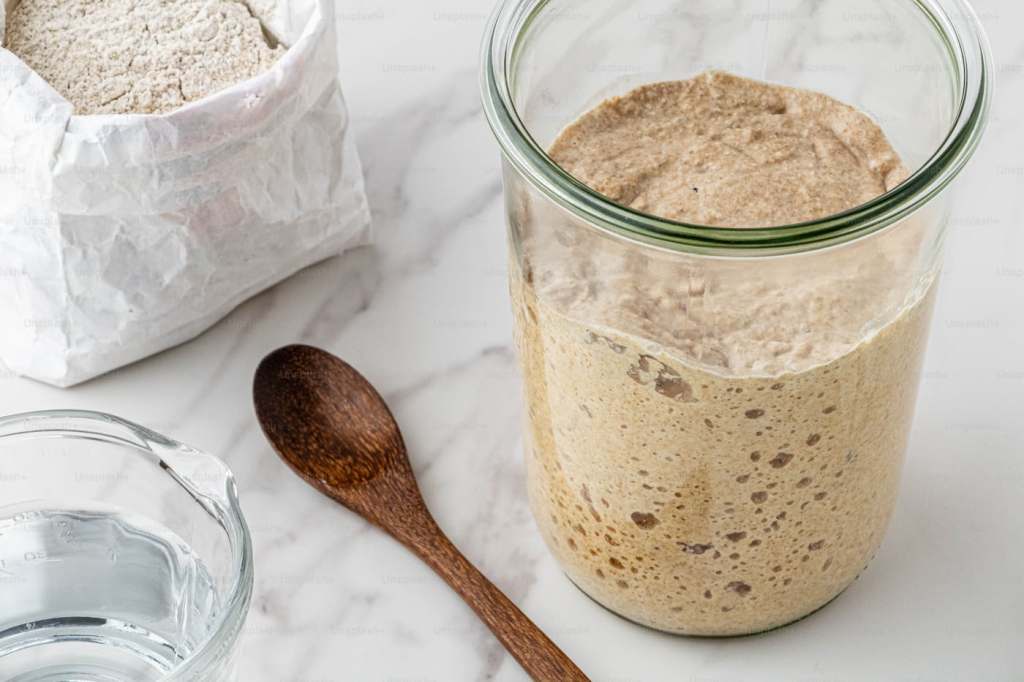
Step 3: Strengthening the Starter (First Week)
For the first 5–7 days, refresh once every 24 hours.
Daily Refresh Ratio
50g starter
100g flour
50g water (fruit water for first few refreshes if desired)
Knead briefly, shape into a ball, and ferment at room temperature.
Understanding Why Lievito Madre Is Kept Stiff
One of the most important distinctions between Lievito Madre and liquid sourdough starters is hydration. A stiff starter naturally limits excessive acid production, which is why Lievito Madre remains mild and slightly sweet rather than sharply sour. This makes it especially well suited for delicate doughs that contain eggs, milk, butter, or sugar.
Because of its lower hydration, Lievito Madre ferments more slowly and predictably. This slower pace gives you better control over flavor and structure, especially in long, traditional fermentations. Don’t be discouraged if it seems less dramatic than a bubbling liquid starter—strength in Lievito Madre is measured by consistency and reliability, not volume alone.
Adjusting for Temperature and Seasonal Changes
Temperature plays a major role in how your starter behaves. In cooler homes, fermentation will slow, sometimes significantly. If your kitchen stays below 70°F (21°C), expect longer rise times and consider placing your starter in a slightly warmer location, such as near (not on) a warm appliance or inside a turned-off oven with the light on.
In very warm environments, fermentation can happen quickly, sometimes leading to over-acidification. If your starter peaks and collapses rapidly, shorten fermentation time or reduce starter quantity during feedings. Learning to observe your starter through the seasons is part of developing intuition as a baker.
When It’s Ready to Bake
Your Lievito Madre is mature when it:
Doubles or nearly doubles consistently
Smells mildly sweet and yeasty
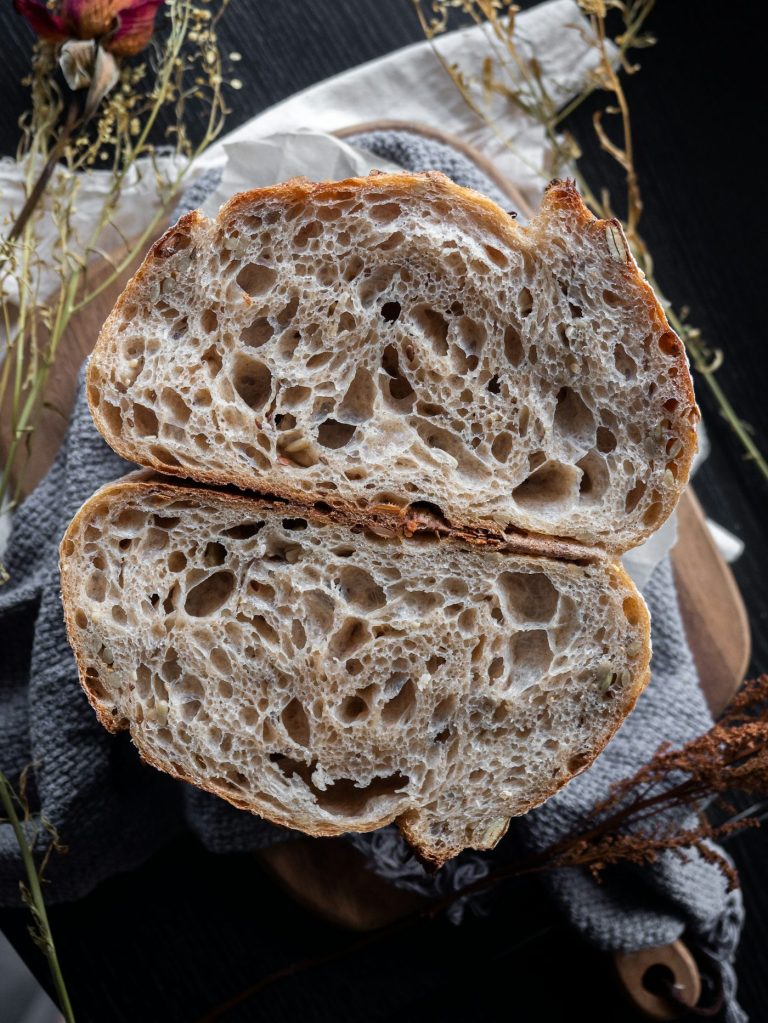
Shows airy bubbles inside when cut or torn
Baking with Lievito Madre
When baking, Lievito Madre is typically used at 10–30% of total flour weight, depending on the recipe and fermentation time. Because it is less acidic, doughs often require longer proofing than those made with liquid sourdough. This slower fermentation is what creates the tender crumb and subtle flavor Lievito Madre is known for.
For best results, always use your starter at peak strength, usually a few hours after feeding when it has expanded and feels light but elastic.
Ongoing Care: Daily vs Weekly Baking
For Frequent Baking
Store at room temperature
Feed every 12–24 hours depending on rise speed
For Weekly Baking (Refrigerated Storage)
Remove from fridge.
Let warm 30–60 minutes.
Refresh (50g starter + 100g flour + 50g water).
Allow to begin rising (2–4 hours).
Return to refrigerator.
Before baking enriched doughs, do 1–2 room-temperature refreshes.
How to Rescue a Neglected Lievito Madre
Missed a Few Days
Refresh once.
Repeat after 12 hours if sluggish.
Left for 2–3 Weeks
Remove dried outer layer.
Take 10–20g from the center.
Refresh with a higher flour ratio: 20g starter + 100g flour + 50g water
Weak Starter
Feed every 12 hours for 48 hours
Keep warm (75–78°F / 24–26°C)
Use bread flour
When to Discard
Discard immediately if you see:
Pink or orange streaks
Fuzzy mold
Persistent foul odors after feeding
Washing or “Bathing” Lievito Madre (Traditional Method)
In traditional Italian baking, Lievito Madre is sometimes washed to reduce acidity and rebalance fermentation. This step is optional for home bakers but helpful if your starter smells overly sharp or sluggish.
To do this, dissolve a teaspoon of sugar or honey in lukewarm water. Submerge your starter dough ball and gently squeeze it under the water a few times. Remove, squeeze out excess water, then refresh as usual with flour and water. This technique can revive tired starters and restore mildness.
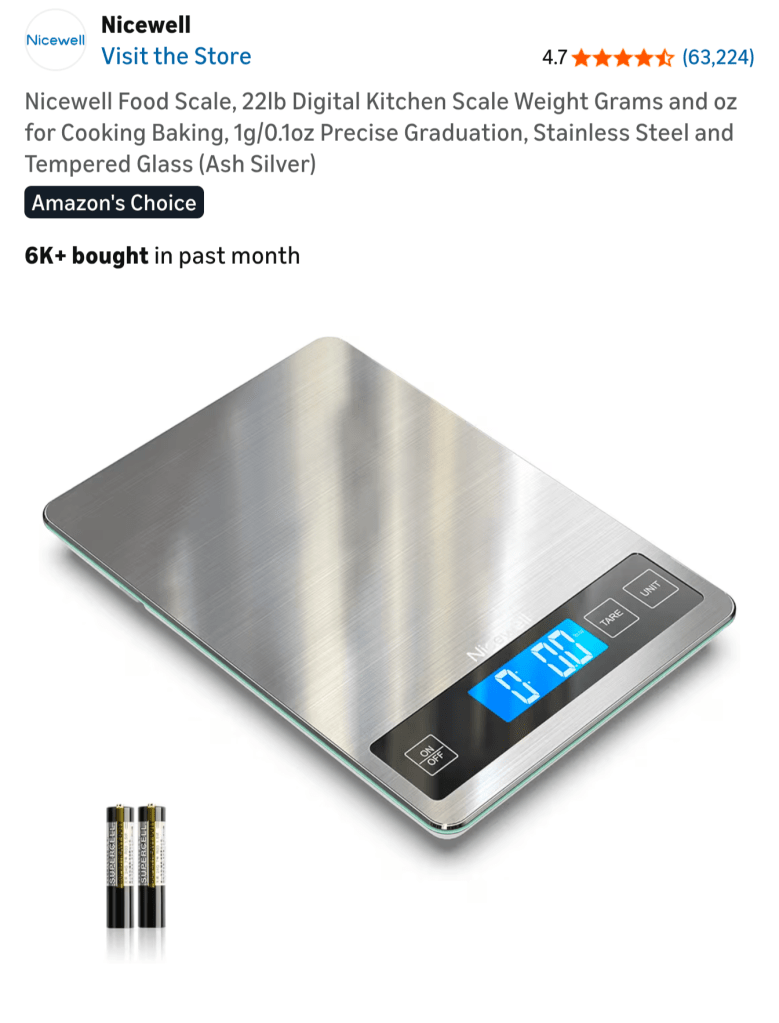
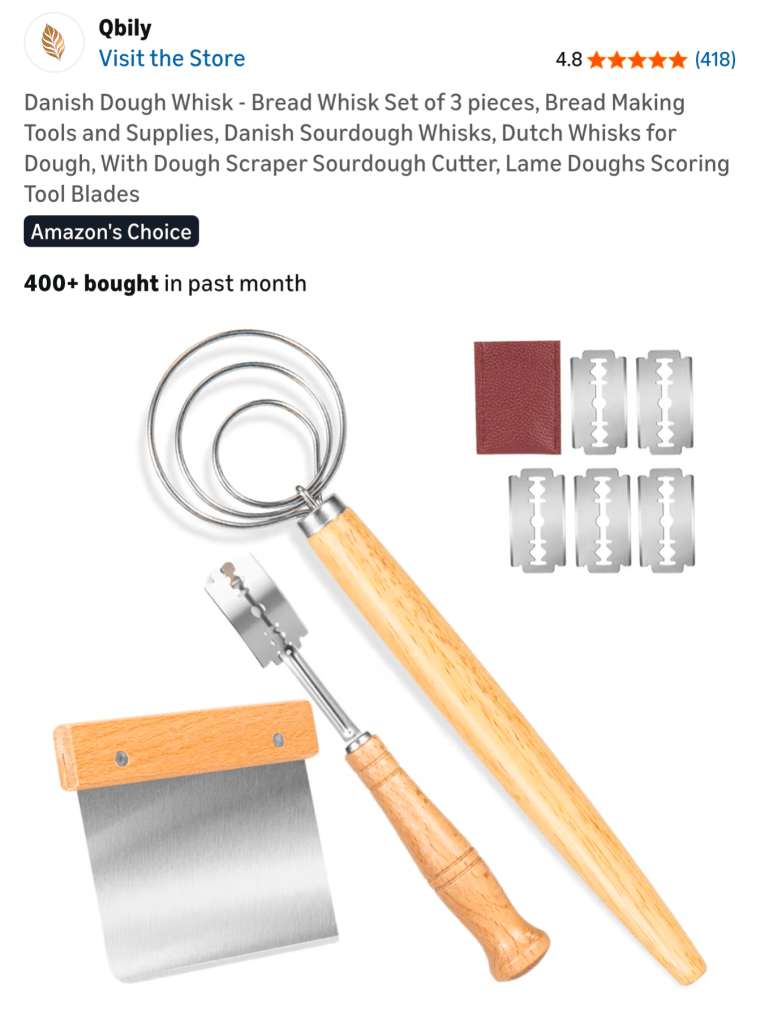
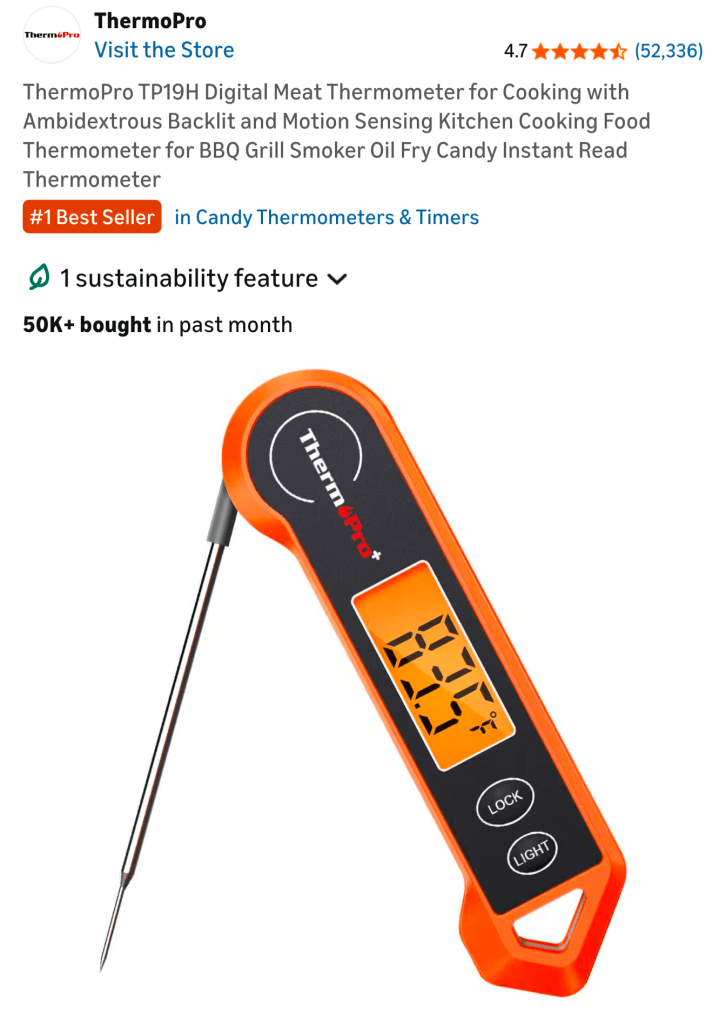
Helpful Tools for Making Lievito Madre

Danish Dough Whisk, Scraper & Lame Bundle

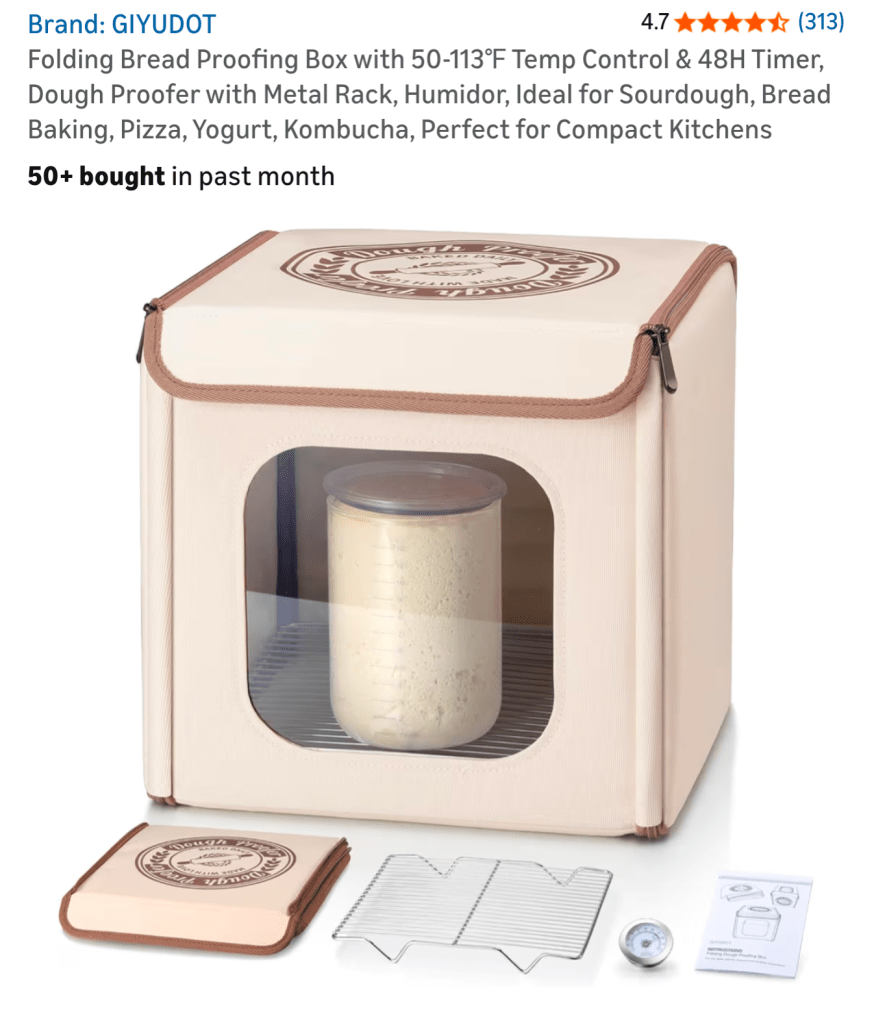
Optional: Dough Proofing Box
Lievito Madre thrives on gentle consistency. Early days may feel slow, but each refresh strengthens its balance and flavor. Keep notes on temperature and rise times, and trust the process.
Working with Lievito Madre is as much about rhythm as recipe. It teaches patience, observation, and trust in natural processes—skills that align beautifully with slow living and hands-on learning. Over time, your starter becomes uniquely yours, shaped by your kitchen, your climate, and your care.
If you involve children, this process becomes a living lesson in biology, time, and stewardship—an invisible ecosystem nurtured by consistent, thoughtful attention. That quiet magic is at the heart of traditional baking and the philosophy behind Moonprint Academy.
 Moonprint Academy