
Disclaimer: This post contains affiliate links. If you purchase through these links, I may earn a small commission at no extra cost to you. Thank you so much for supporting my work.
What’s on the Moonprint Menu today?
Russian Pickled Cabbage!
There’s something magical about cooking traditions that cross generations. In our family, one of the funniest and fondest memories is when little Neil helped Grandpa mix up a big batch of Russian pickled cabbage—sauerkraut, the old-world way.
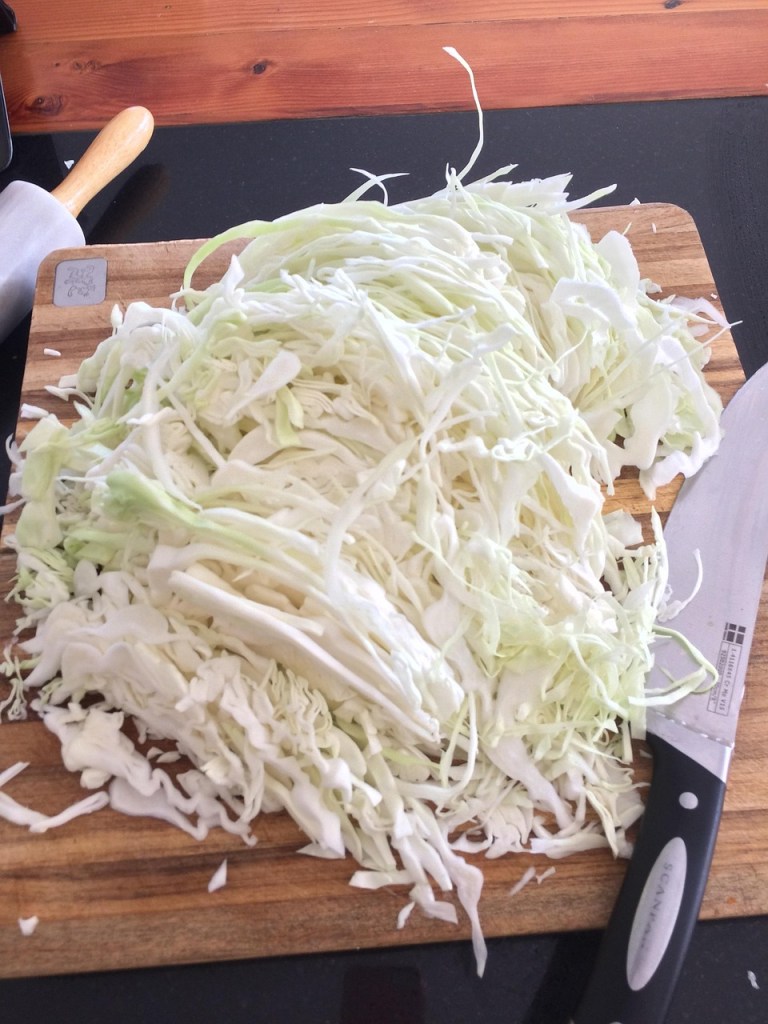
Imagine this: a mound of freshly shredded cabbage and carrots spread across the kitchen counter, Grandpa’s big hands working the salt through the mix, and Neil diving right in, arms deep, making exaggerated “pucker-up” faces as if he were already tasting the sour tang of the cabbage to come.
The kitchen filled with laughter. Carrots flew, salt scattered, and cabbage clung to Neil’s curls. To him, it wasn’t just food prep—it was a game, a sensory adventure. Grandpa, with his twinkling eyes, played right along, teaching while entertaining. By the end, both of them looked like they’d been in a cabbage snowstorm.
That’s the beauty of this dish. It’s simple, humble, but brings people together in the most comical and heartfelt way. And the best part? Weeks later, that very batch became the star side dish on our Thanksgiving table—an unexpected but perfectly crisp, tangy contrast to the heavy turkey, mashed potatoes, and gravy. From holidays to everyday meals, Russian pickled cabbage has found its way into our family story.
The Recipe
Here’s the version we made, passed down and adapted in true Moonprint style:
Ingredients
3 heads dense late-season white cabbage or green cabbage (finely chopped)
4–6 tablespoons sea salt
1 teaspoon whole black peppercorns
2–3 bay leaves (to taste)
2–4 whole cabbage leaves (reserved)
4–5 large grated carrots
You will need a nice sharp chef’s knife, a large cutting board, a grater and some gloves.
You will also need some pickling jars in either quart, pint or half gallon size.
Instructions
1. Mix the finely chopped cabbage and grated carrots with the sea salt, peppercorns, and bay leaves. Massage the mixture thoroughly until the juices begin to release.
2. Pack the mixture tightly into a sterilized glass jar. Press it down firmly, ensuring the liquid covers the cabbage.
3. Place reserved whole cabbage leaves on top, then weight it down with a clean weight or plate.
4. Leave it at room temperature for several weeks, checking occasionally, until it reaches your desired tang and texture.
5. Serve as is, or enhance with sunflower oil, sliced sweet onions, and lingonberries for a traditional Russian touch.
It’s a dish of patience and transformation—cabbage and carrots evolving into a probiotic powerhouse through fermentation.
A Taste of History
Pickled cabbage is one of those dishes that tells the story of survival and celebration. In Russia, sauerkraut (called kvashenaya kapusta) has been a staple for centuries, particularly in cold winters when fresh produce was scarce. Families would prepare barrels of it in the autumn, storing it away to provide vital vitamins and nutrients throughout the frozen months.
The fermentation process was both practical and symbolic—keeping people strong against the brutal cold, while also connecting them to seasonal cycles. It was often enjoyed not only at the peasant table but also in noble households, appearing at both everyday meals and festive occasions.
When immigrants brought it to America, the dish became woven into family traditions, often resurfacing around holidays like Thanksgiving or Christmas as a nostalgic nod to heritage. That’s exactly how it showed up on our table—alongside turkey and stuffing, a proud representative of resilience and flavor from another world.
Health Benefits
One of the reasons fermented foods like Russian pickled cabbage endure across cultures is because they aren’t just delicious—they’re healing. Some of the main health benefits include:
1. Probiotics for Gut Health
The fermentation process encourages the growth of beneficial bacteria (lactic acid bacteria), which balance the gut microbiome, improve digestion, and support the immune system.
2. Vitamin C Boost
Cabbage naturally contains vitamin C, and fermentation preserves and even enhances its bioavailability. Historically, sauerkraut helped prevent scurvy during long winters or voyages.
3. Anti-Inflammatory Properties
Fermented foods are linked to reduced inflammation, which supports heart health and longevity.
4. Digestive Aid
The fiber in cabbage, combined with probiotics, promotes smoother digestion and helps detoxify the body.
5. Mood and Brain Health
Modern studies even show that gut health impacts mood regulation. Eating probiotic-rich foods can reduce anxiety and improve mental well-being—a scientific confirmation of what grandmothers already knew: good food makes you feel better.
So when Neil and Grandpa were elbow-deep in cabbage, they weren’t just making a side dish—they were creating medicine for the whole family in its most natural form.
Five Ways to Enjoy Russian Pickled Cabbage
The beauty of this dish is its versatility. It’s not limited to being a side at holiday feasts; it can elevate everyday meals too. Here are five delicious ways to enjoy it:
1. Classic Holiday Side
Pair it with roast turkey, ham, or goose. The bright tang cuts through rich meats and heavy gravies, refreshing the palate between bites.
2. Hearty Russian-Style Meal
Serve it with boiled potatoes, rye bread, and salted herring. This combination has deep cultural roots and is a filling, nutritious, and inexpensive spread.
3. On Sandwiches or Burgers
Add a forkful to roast beef sandwiches, turkey melts, or even veggie burgers. It brings a crunchy zing that rivals coleslaw or pickles.
4. With Soups and Stews
A spoonful alongside borscht, beef stew, or chicken soup brings brightness to otherwise heavy dishes. Some even stir it in just before eating for added texture and tang.
5. As a Snack or Salad Base
Drizzle with sunflower oil, toss with sliced onions, and enjoy as a simple, refreshing salad. Add lingonberries or cranberries for a tart-sweet contrast.
Every time I see Neil’s “cabbage face” in the photos from that day—eyes squinting, lips puckered, arms buried in the crunchy heap—I can’t help but smile. What started as a messy kitchen adventure became a family memory we’ll treasure forever. And now, each time we open a jar of Russian pickled cabbage, we’re not just tasting tangy crunch—we’re tasting connection: to our past, to health, and to each other.
Fermented foods remind us that transformation takes time. Just as cabbage becomes sauerkraut, laughter-filled moments with loved ones become lasting traditions. And in the end, that’s the true flavor of life.
🛒Shop for this Recipe
Ingredients
White Cabbage (you can usually find these at Asian stores or grow your own) you can also use Organic Green Cabbage
Kitchen Tools & Supplies
Pickling Glass Jars (quart most common size)
 Moonprint Academy