
Disclaimer: This post contains affiliate links. If you purchase through these links, I may earn a small commission at no extra cost to you. Thank you so much for supporting my work.
Peach trees have long been a symbol of abundance and health, and their cultivation in Texas has a rich history that dates back to the early settlers. Growing peach trees in Central Texas can be a rewarding endeavor, yielding sweet, juicy fruit right in your backyard. This guide will provide you with everything you need to know about growing peach trees in Central Texas, from their historical significance to practical tips on planting, care, and harvest.
A Brief History and Significance of Peach Trees in Texas
Peach trees (Prunus persica) have been a part of Texas agriculture since the late 19th century. Early settlers quickly recognized the favorable climate and soil conditions for growing peaches, especially in Central Texas. By the early 20th century, Texas had established itself as a significant producer of peaches, with varieties like the Elberta becoming household names. Today, peaches are celebrated in Texas festivals, such as the Fredericksburg Peach Festival, which highlights the cultural and economic importance of this fruit to the state.

The Life Cycle of a Peach Tree
Understanding the life cycle of a peach tree can help you manage your orchard effectively:
- Dormancy: In winter, peach trees go dormant to survive the cold. This phase lasts from late fall until early spring.
- Budding: As temperatures rise in late winter or early spring, buds begin to swell and eventually bloom.
- Flowering: Pink or white flowers bloom in early spring, which is critical for fruit production.
- Fruit Development: After pollination, the flowers turn into small fruits, which grow and ripen over several months.
- Harvest: Peaches are typically harvested in late spring to early summer.
- Post-Harvest: After harvest, the tree prepares for dormancy again, shedding leaves in the fall.
Five Best Varieties of Peach Trees to Grow in Central Texas
- June Gold: Known for its early harvest, this variety produces large, sweet peaches in June.
- Harvester: A mid-season variety that yields high-quality, medium-sized peaches.
- Red Globe: Produces large, firm, and flavorful peaches, ideal for fresh consumption and canning.
- La Feliciana: A late-season variety that offers excellent disease resistance and high yields.
- TexPrince: Adapted to the Texas climate, this variety produces juicy, red-blushed peaches.
Care and Natural Pest/Disease Prevention
Watering: Peach trees need consistent watering, especially during dry spells. Deep watering once a week is ideal. I recommend a timed irrigation system so that it can automatically water your trees at regular intervals such as once a day.

Pruning: Prune your peach trees in late winter to early spring to remove dead or diseased wood and shape the tree. You’ll need a good set of pruning shears and gloves.


Fertilizing: Use organic fertilizers like compost, aged manure, or bone meal. Aim for a soil pH of 6.0 to 6.5.
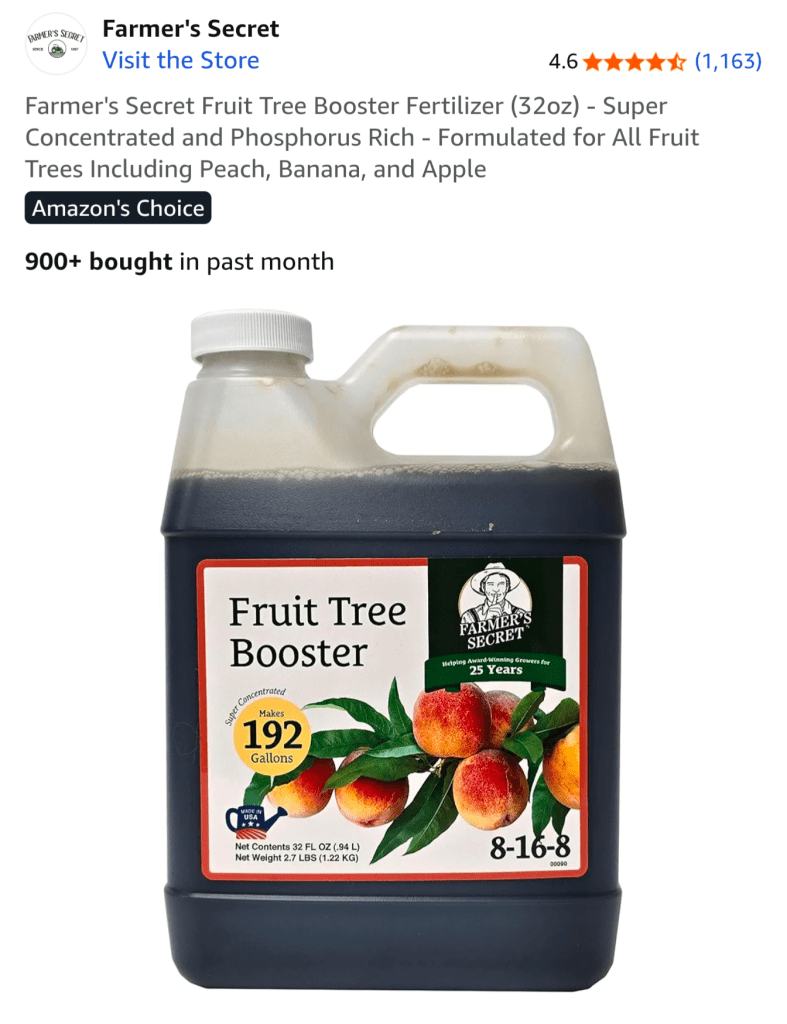
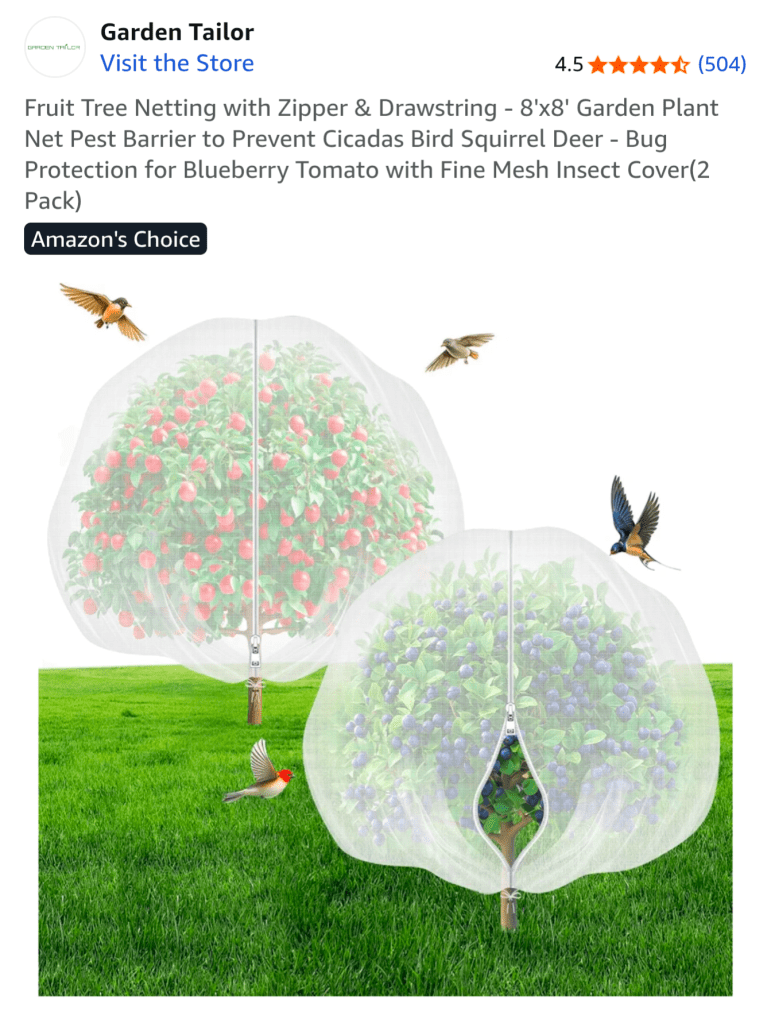
Pest Control: Employ natural pest control methods such as introducing beneficial insects like ladybugs and lacewings. Neem oil and insecticidal soaps can also help manage pests. Having orchard netting will deter most pests and later on birds and squirrels from eating your peaches.

Disease Prevention: Copper-based fungicides and regular pruning can prevent common peach tree diseases such as peach leaf curl and brown rot.

How to Transplant a Store-Bought Tree
- Site Selection: Choose a sunny location with well-drained soil.
- Soil Preparation: Ensure the soil pH is between 6.0 and 6.5. Amend the soil with organic matter if necessary.
- Planting: Dig a hole twice as wide and as deep as the root ball. Place the tree in the hole, ensuring the graft union is above the soil line.
- Watering and Mulching: Water the tree thoroughly and apply mulch to retain moisture and suppress weeds.
- Fertilizing: Use organic fertilizers like compost or aged manure. Local garden centers such as The Natural Gardener in Austin or Lady Bird Johnson Wildflower Center can provide organic soil amendments.

Growing Peach Trees from Seed
- Seed Preparation: Extract seeds from a ripe peach, clean them, and allow them to dry.
- Stratification: Refrigerate the seeds for 8-10 weeks to simulate winter conditions.
- Planting: In early spring, plant the seeds in well-drained soil about 1-2 inches deep.
- Care: Water regularly and protect young seedlings from pests and harsh weather.
Protecting Peach Trees from Frost
During cold snaps like the infamous “Texas snowpacalypse,” it’s crucial to protect your peach trees from frost damage. In 2021, when Texas experienced unprecedented cold weather, we used large trash bags to cover our peach trees and insulated the roots with dry hay. This method helped preserve the trees’ heat and saved them from frost damage.

Troubleshooting Non-Productive Trees
If your peach tree isn’t producing fruit, consider the following factors:
- Insufficient chilling hours: Peach trees need a certain number of chilling hours (below 45°F) to break dormancy.
- Poor pollination: Ensure there are enough pollinators or consider hand-pollination.
- Nutrient deficiencies: Test soil and amend with the necessary nutrients.
- Pruning issues: Improper pruning can affect fruit production. Follow recommended pruning practices.
Harvesting and Using Peaches
When to Harvest: Harvest peaches when they are fully colored and slightly soft to the touch. The fruit should easily come off the tree with a gentle twist.
How to Use Peaches: Fresh peaches can be enjoyed on their own or used in various recipes. Here are a few ideas:
- Peach Pie: A classic dessert made with a flaky crust and sweet, juicy peaches.
- Peach Salsa: A fresh and tangy accompaniment for grilled meats or chips.
- Peach Jam: Preserve the taste of summer with homemade peach jam.
- Grilled Peaches: A simple and delicious way to enjoy peaches, topped with a dollop of whipped cream or ice cream
Growing peach trees in Central Texas can be a fun and fruitful experience. By selecting the right varieties, providing proper care, and protecting your trees from pests, diseases, and frost, you can enjoy bountiful harvests year after year. Enjoy the sweet rewards of your labor with delicious, homegrown peaches in a variety of culinary delights.
 Moonprint Academy
One Comment Add yours